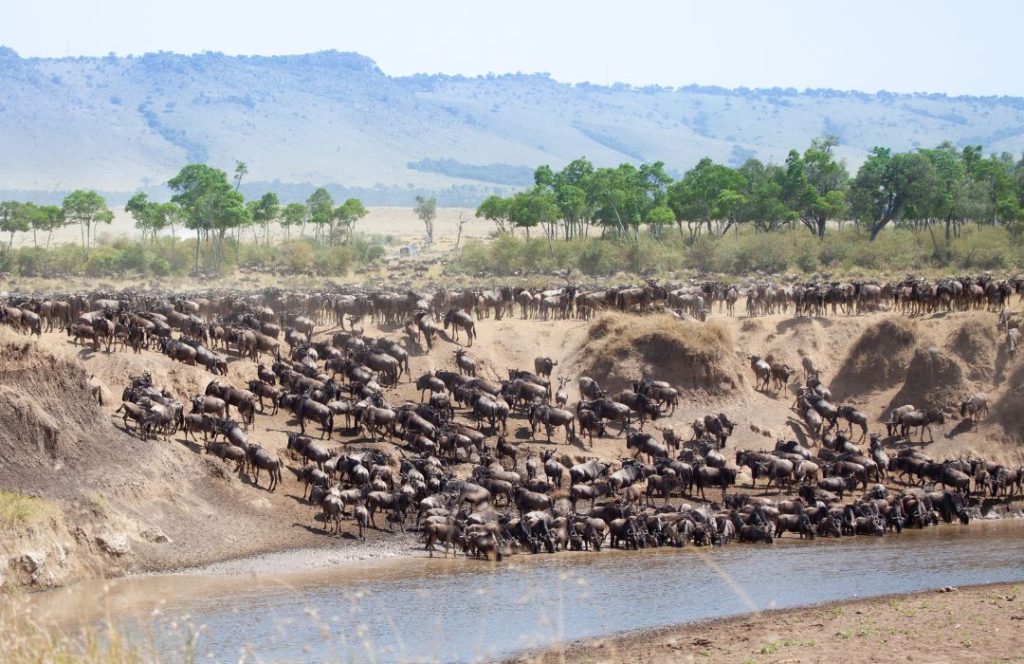
The Great Wildebeest Migration is one of the most breathtaking natural events on Earth — often referred to as the “8th Wonder of the Natural World.” Each year, over 1.5 million wildebeests, accompanied by zebras and gazelles, journey across the Serengeti-Masai Mara ecosystem in search of fresh pasture and water. This incredible display of wildlife movement spans two of Africa’s most iconic safari destinations — Kenya and Tanzania. For travelers seeking the ultimate safari experience in 2025, this is the perfect time to book Wildebeest Migration safari packages with AK African Tours & Safaris, specialists in creating customized, authentic East African journeys.
Why Do Wildebeests Migrate? | Survival Instincts Behind the Great Migration
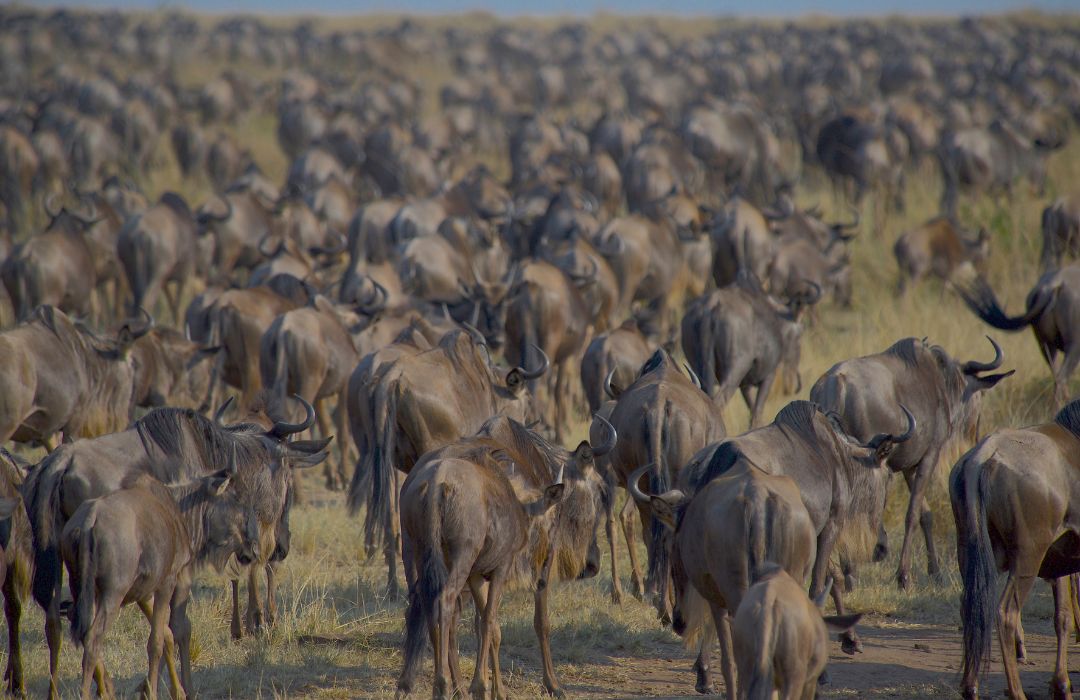
The wildebeest migration is one of nature’s most extraordinary spectacles, driven by seasonal rains and the search for fresh grazing lands. Each year, over 1.5 million wildebeests, along with zebras and gazelles, traverse the Serengeti–Masai Mara ecosystem in a 3,000-kilometer journey. Here’s a breakdown of the migration phases and what to expect when you plan to book wildebeest migration safari packages:
1. Calving Season: January – March:
During the calving season in Ndutu, southern Serengeti, hundreds of thousands of calves are born within a few weeks. This period attracts predators such as lions, cheetahs, and hyenas, creating a dramatic display of nature’s survival instincts. Travelers who schedule their safari during this time experience one of the most intense and memorable wildlife spectacles.
2. Northward Movement: April – June:
After calving, the herds gradually move north through the central and western Serengeti. This stage allows for excellent game viewing, as large concentrations of herbivores draw predators and facilitate breathtaking photography opportunities. Choosing migration-focused safaris during this period ensures immersive encounters with East Africa’s abundant wildlife.
3. Iconic River Crossings: July – October:
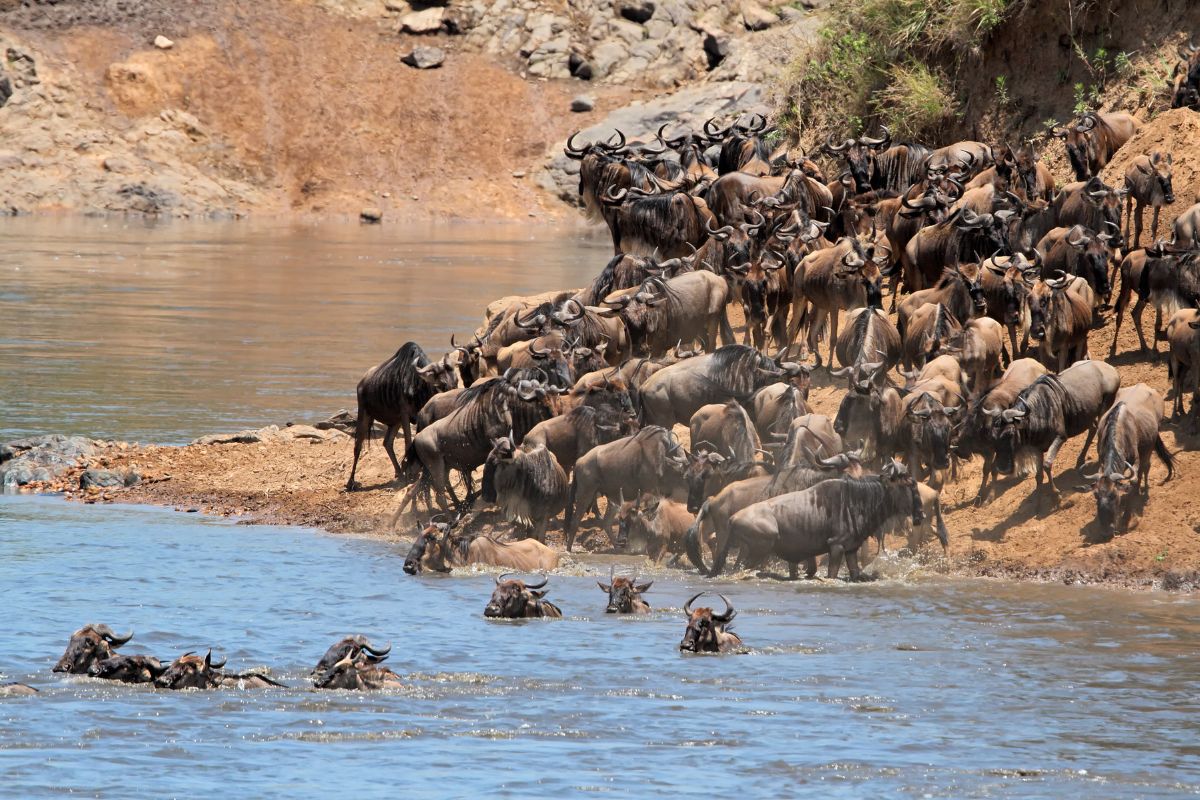
The Mara River crossings are a highlight of the Great Migration. Thousands of wildebeests face crocodile-infested waters in an adrenaline-charged spectacle. Travelers who book wildebeest migration safari packages during these months witness unforgettable action and dynamic wildlife interactions.
4. Return to Southern Serengeti: November – December:
As the rains begin, herds move back to the southern Serengeti, creating a quieter, more intimate safari experience. Game drives during this season offer lush scenery and opportunities to observe wildlife without the crowds. This phase is ideal for travelers seeking a serene yet still captivating migration adventure.
By aligning your safari with these natural cycles, you can experience every stage of the Great Migration while enjoying expert guidance, seamless logistics, and the immersive adventure that comes with booking wildebeest migration safari packages.
2025 Wildebeest Migration Calendar | Best Times to Book Wildebeest Migration Safari Packages:
Timing is crucial when planning your East African safari. Understanding where the herds are each month helps you capture dramatic wildlife encounters, avoid crowds, and maximize your safari experience. Below is the 2025 month-by-month guide to help you book wildebeest migration safari packages at the perfect time: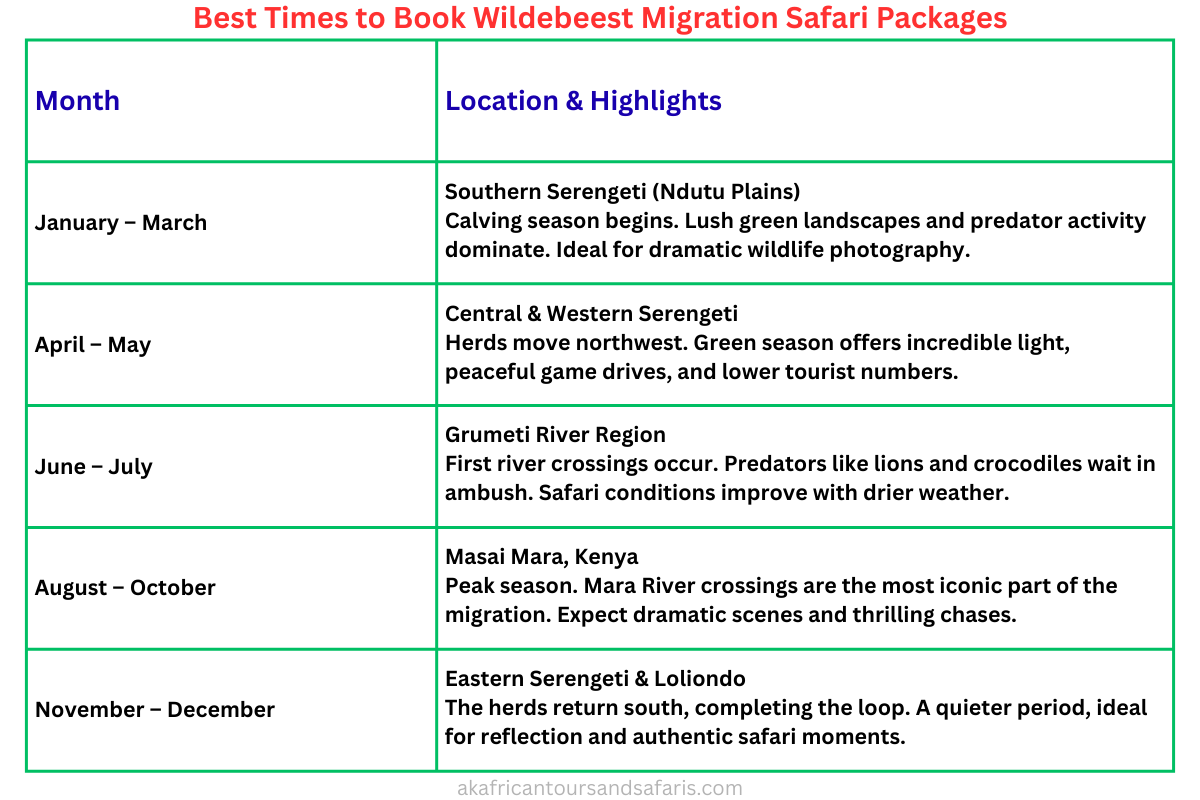 Use this calendar to plan precisely and book Wildebeest Migration Safari Packages that match your travel preferences—whether you’re after heart-pounding drama, serene landscapes, or calving miracles.
Migration Routes Explained | Wildebeest Paths and Movement Map
The Great Wildebeest Migration is one of nature’s most extraordinary spectacles, where over 1.5 million wildebeests, along with hundreds of thousands of zebras and gazelles, follow a seasonal loop across the Serengeti in Tanzania and the Masai Mara in Kenya. Understanding the migration’s routes and timing is key for travelers looking to book wildebeest migration safari packages that maximize wildlife encounters and memorable experiences. The migration moves in a predictable clockwise pattern, with each region offering unique highlights for wildlife enthusiasts:
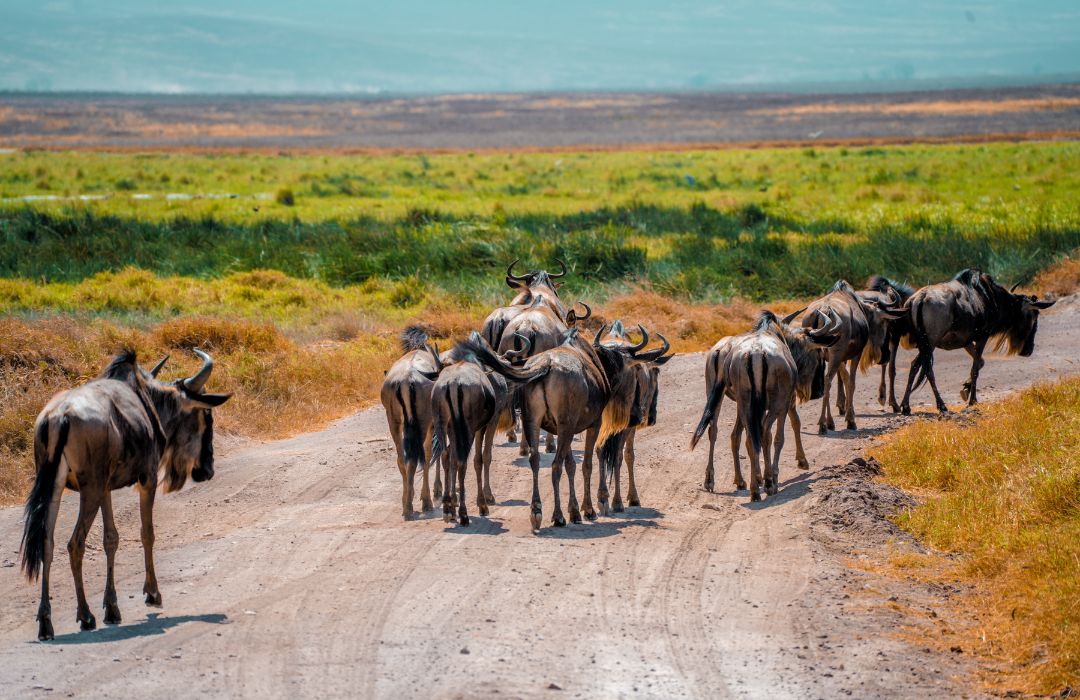
1. Ndutu Plains, Southern Serengeti (Jan–Mar): Calving Season with Abundant Wildlife
The Southern Serengeti, particularly the Ndutu Plains, hosts the calving season, when thousands of wildebeest give birth to calves. This period is a wildlife photographer’s paradise, as predators such as lions, cheetahs, and hyenas closely follow the herds. The abundance of newborns creates dynamic predator-prey interactions, making early-year safaris particularly thrilling. Travelers who book wildebeest migration safari packages during this time enjoy smaller crowds and can witness the Serengeti’s rich ecosystem at its most active and intimate. Key highlights include:
-
Witnessing hundreds of calves being born daily.
-
Exceptional predator sightings in natural hunting settings.
-
Opportunities for guided walking safaris and close-up photography sessions.
2. Grumeti Corridor, Western Serengeti (May–Jun): Early River Crossings and Predator Encounters
As the herds move north, they enter the Grumeti Corridor, a stretch of rivers and woodlands known for its dramatic wildlife action. Early river crossings begin here, offering the first glimpses of wildebeest negotiating treacherous waters. This is a time when booking wildebeest migration safari packages that focus on action and adventure are most rewarding. Visitors can expect:
-
Thrilling river crossings with crocodile encounters.
-
High concentration of predators stalking the herds.
-
Scenic landscapes of savannahs dotted with acacia trees perfect for photography.
3. Masai Mara, Kenya (Jul–Oct): Mara River Crossings—One of the Most Iconic Safari Spectacles
The migration reaches the Masai Mara in Kenya, where the Mara River crossings occur. This is arguably the most iconic moment of the migration and a bucket-list experience for safari travelers. The power, suspense, and sheer scale of the crossing attract wildlife photographers and enthusiasts from across the globe. Travelers who book wildebeest migration safari packages during these months benefit from:
-
Spectacular photo opportunities of dramatic river crossings.
-
High visibility of large predator-prey interactions along the riverbanks.
-
Comfortable safari lodges and camps strategically located near prime viewing spots.
4. Eastern Serengeti & Loliondo (Nov–Dec): Return Journey South as the Cycle Begins Again
By late year, the herds start their journey back south, moving through the Eastern Serengeti and Loliondo. This part of the migration is less crowded, offering a more tranquil experience for those who prefer observing wildlife away from peak tourist activity. Booking wildebeest migration safari packages during this period allows travelers to experience:
-
Smaller, more intimate safari groups.
-
Unique sightings of wildebeest and zebra interactions as the herds regroup.
-
Stunning landscapes of open plains and rolling hills, ideal for photography.
Understanding the migration routes and timing empowers travelers to strategically plan their safaris, ensuring they don’t miss the most dramatic wildlife moments. By aligning travel dates with specific locations, visitors can enjoy unparalleled encounters and fully immerse themselves in one of nature’s greatest spectacles. Each segment of the migration offers a distinct experience, from the heart-stopping calving season to the adrenaline-filled Mara River crossings, making booking wildebeest migration safari packages the ultimate way to witness this awe-inspiring journey.
Best Places & Times to Witness the Wildebeest Migration in 2025
Timing and location are crucial when planning to witness the Great Wildebeest Migration. Your experience will vary depending on whether you want to see newborn calves, dramatic predator-prey interactions, or the thrilling river crossings. Here’s a detailed guide to the best times and places to plan your safari:
1. Ndutu, Tanzania (Jan–Mar): Calving Season and Predator Action
The Ndutu Plains in Southern Serengeti host the migration’s calving season. Thousands of wildebeest calves are born daily, attracting predators like lions, cheetahs, and hyenas, making it a prime period for photography and action-packed wildlife encounters. Visitors who choose this period for their safari will experience:
-
Up-close views of newborn wildebeest calves.
-
High concentration of predator-prey interactions.
-
Smaller crowds compared to other popular migration areas.
2. Grumeti, Tanzania (Jun): Scenic Routes and Less Crowded Wildlife Action
The Grumeti Corridor in the Western Serengeti offers early river crossings and dense predator activity. It is less visited, which makes it perfect for travelers seeking an intimate and off-the-beaten-path experience. Benefits of visiting Grumeti include:

-
Dramatic river crossings with crocodile encounters.
-
Opportunity to spot elusive predators without large tourist groups.
-
Picturesque savannah landscapes ideal for photography.
3. Mara River, Kenya (Aug–Sep): Iconic River Crossings
The Masai Mara region in Kenya is home to the migration’s most famous spectacle: the Mara River crossings. Wildebeests face strong currents and lurking crocodiles, creating intense, heart-racing moments that are bucket-list experiences for safari enthusiasts. Highlights include:
-
Spectacular, cinematic river crossing moments.
-
High chance of spotting lions, leopards, and hyenas hunting along the riverbanks.
-
Easy access from top safari lodges and camps for prime viewing.
4. Eastern Serengeti (Nov–Dec): Peaceful Return Journey
During the migration’s return south, the Eastern Serengeti and Loliondo offer a quieter, more relaxed safari experience. This period is perfect for travelers who prefer tranquil game drives, nature-focused observations, and photography of the serene landscapes. Visitors can enjoy:
-
Smaller safari groups and fewer tourists.
-
Scenic views of rolling plains and wildlife interactions.
-
Opportunities to observe the migration in a calm and natural setting.
5. Recommended Safari Camps & Lodges
Choosing accommodation located close to the migration routes enhances your safari experience. Some of the best-rated options include:
-
Lemala Ndutu Camp (Southern Serengeti) – Ideal for calving season and predator viewing, with expert guides and immersive safari experiences.
-
Sayari Camp (Northern Serengeti) – A luxurious base for witnessing the Mara River crossings, offering comfort alongside exceptional wildlife access.
-
Governors’ Camp (Masai Mara, Kenya) – Offers iconic views, knowledgeable guides, and direct access to prime migration hotspots.
By selecting the right region and time, travelers can enjoy unparalleled wildlife encounters. For expert guidance, all-inclusive itineraries, and seamless travel planning, booking wildebeest migration safari packages with AK African Tours & Safaris ensures a safe, memorable, and fully immersive East African safari experience.
Top Kenya and Tanzania Safari Packages 2025
Discover the best safari experiences East Africa has to offer with our carefully curated Kenya and Tanzania safari packages for 2025. Whether you’re seeking luxury lodges, mid-range adventures, or cross-border wildlife journeys, these handpicked itineraries are designed to put you at the heart of the Great Wildebeest Migration and the region’s most iconic wildlife destinations.
 1. 7-Day Tanzania Migration Safari
This package is perfect for travelers seeking a concise yet immersive migration experience. Highlights include:
-
Ngorongoro Crater exploration with its dense wildlife populations.
-
Serengeti National Park for witnessing the heart of the wildebeest migration.
-
Daily guided game drives with expert safari guides.
2. 9-Day Kenya-Tanzania Combo Safari
This adventure takes you from the iconic Masai Mara in Kenya to the vast plains of the Serengeti in Tanzania. Key features include:
-
Opportunity to witness Mara River crossings, one of the migration’s most dramatic spectacles.
-
Cultural encounters with Maasai communities.
-
Comfortable accommodations and flexible itineraries for maximum wildlife viewing.
3. 14-Day Classic Migration Safari
For travelers looking for an in-depth exploration, this package offers a comprehensive experience across Kenya and Tanzania. Highlights include:
-
Extended game drives in the Serengeti and Masai Mara.
-
Visits to Ngorongoro Crater and other prime wildlife hotspots.
-
Optional photography-focused excursions and family-friendly activities.
Each package comes with reliable transportation, expert guides, and the flexibility to tailor your itinerary to your preferences. Booking wildebeest migration safari packages with AK African Tours & Safaris ensures a seamless, personalized, and unforgettable safari experience, with every detail taken care of from start to finish.
Challenges of the Wildebeest Migration Journey in Kenya and Tanzania
While the Great Wildebeest Migration is a breathtaking natural event, it’s also one of the most perilous wildlife journeys on Earth. The route is riddled with danger—from natural barriers and deadly predators to shifting climate patterns. These very challenges are what make the experience so raw, unpredictable, and awe-inspiring for those who witness it on a guided safari.
1. Treacherous River Crossings
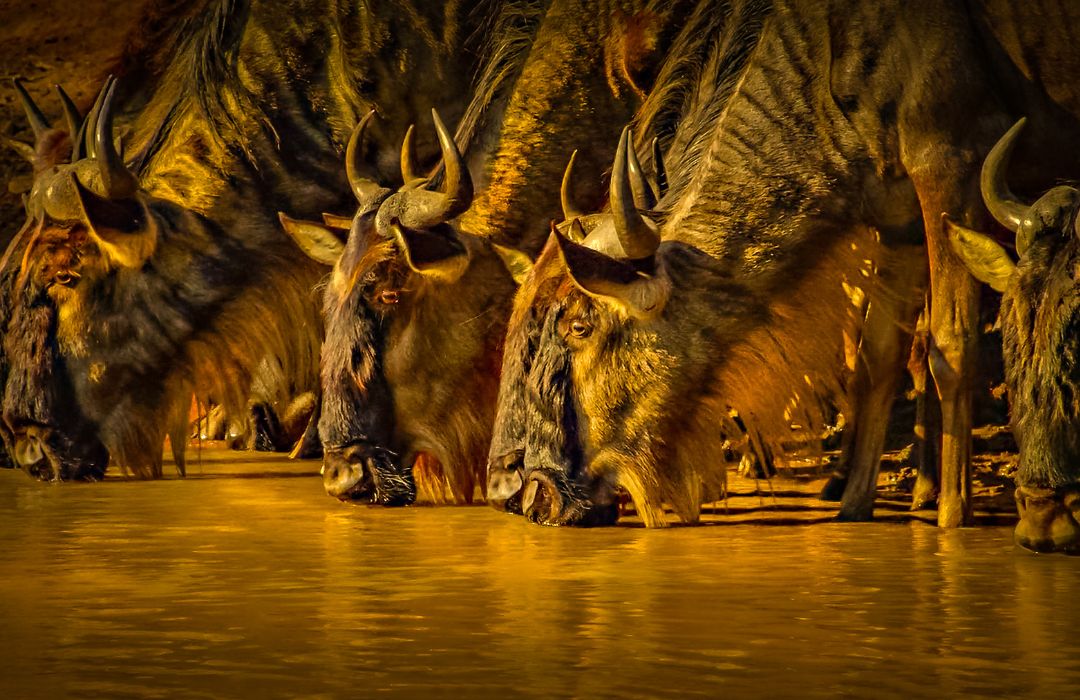
One of the most iconic and dangerous parts of the migration happens during river crossings—particularly at the Grumeti River in Tanzania and the Mara River in Kenya. As tens of thousands of wildebeests plunge into the muddy waters, massive Nile crocodiles lie in wait. Many animals are swept away by strong currents or trampled in the chaos. It’s nature at its most dramatic—and one of the most photographed events in the African wilderness.
If you’re planning to witness this firsthand, it’s important to book Wildebeest Migration Safari Packages that place you near the rivers at peak crossing times (usually June–September).
2. Constant Threat from Predators
The migration attracts East Africa’s top predators. Lions, cheetahs, leopards, hyenas, and even wild dogs closely track the herds. Calving season in Ndutu becomes a feeding ground for predators, while the vast open plains provide a theatre of survival as prey and predator clash in real-time. Only the fittest survive, and the spectacle is both heartbreaking and humbling.
Experienced guides who specialize in predator tracking can help you get close to the action, making it essential to book Wildebeest Migration Safari Packages with operators who understand the ecosystem.
3. Grueling Distances and Exhaustion
Wildebeests cover over 1,000 kilometers (600 miles) every year in their search for water and pasture. Along the way, they endure fatigue, starvation, injury, and separation from their herds. The sheer number of wildebeests that don’t survive this epic journey is a reminder of the harsh realities of life in the wild.
Observing this physical endurance up close helps travelers gain a deeper appreciation of nature’s resilience and the importance of conservation.
4. Climate Change and Human Interference
Modern challenges such as climate variability, droughts, and human development (fences, roads, and settlements) are increasingly disrupting traditional migration routes. In some years, rains fall late or unevenly, confusing the herds and altering their patterns. Additionally, expanding agriculture and infrastructure development near protected areas continue to reduce safe passage for wildlife.
By choosing to book Wildebeest Migration Safari Packages with responsible tour operators who support community-led conservation, travelers contribute to efforts that protect this fragile ecosystem and ensure the migration continues for generations to come.
Expert Tips for Planning Your Wildebeest Migration Safari
Planning to witness the Great Migration in Kenya and Tanzania? Make the most of your adventure with these essential safari planning tips. Whether you’re a first-time visitor or a seasoned wildlife traveler, the right choices can elevate your experience from good to unforgettable.
1. Book Your Wildebeest Migration Safari Packages Early
Safari lodges and mobile camps along the migration route fill up months in advance, especially during the peak season (July to October). To secure your preferred dates, locations, and accommodations, it’s crucial to book wildebeest migration safari packages well ahead of time. Early booking allows you to:
-
Reserve prime locations near Mara River crossings or calving grounds.
-
Access top-rated lodges, camps, and exclusive safari experiences.
-
Ensure your wildebeest migration safari packages match your ideal travel dates and preferences.
2. Choose the Right Destination Based on the Season
Timing your safari correctly is key to witnessing the migration at its most spectacular. Consider:
-
Tanzania (Jan–Mar): Ndutu Plains feature the calving season, offering amazing opportunities to see newborn calves and predator action.
-
Kenya (Jul–Oct): The Masai Mara presents the iconic Mara River crossings, with wildebeests facing crocodiles and strong river currents.
Aligning your itinerary with the migration calendar ensures your wildebeest migration safari packages provide the best wildlife viewing opportunities.
3. Pack Smart for Comfort and Adventure
Proper preparation enhances your overall safari experience. Essentials include:
-
Layered clothing for early mornings and warmer afternoons.
-
Sunglasses, wide-brimmed hats, and high-SPF sunscreen for sun protection.
-
Binoculars and cameras to capture wildlife moments.
-
Comfortable walking shoes and insect repellent.
Packing carefully ensures that your wildebeest migration safari packages are comfortable, enjoyable, and stress-free.
4. Add Unforgettable Extras to Your Safari
To elevate your experience, consider adding these activities:
-
Hot air balloon safaris over the Serengeti or Masai Mara at sunrise.
-
Cultural visits to Maasai villages for immersive local experiences.
-
Guided nature walks with expert rangers to explore wildlife beyond the vehicle.
These extras make your wildebeest migration safari packages more immersive, personalized, and memorable.
5. Travel with AK African Tours & Safaris
Booking wildebeest migration safari packages with AK African Tours & Safaris ensures you have expert guidance, seamless logistics, and access to the best wildlife locations in Kenya and Tanzania. Our team tailors each safari to your interests, timing, and style, ensuring you experience the Great Migration stress-free. Benefits include:
-
Personalized itineraries designed around your ideal wildlife encounters.
-
Knowledgeable guides offering insights into animal behavior and migration patterns.
-
Hassle-free travel arrangements, including accommodations, transportation, and unique safari activities.
By choosing to book wildebeest migration safari packages with us, you guarantee an unforgettable, expertly guided East African adventure.
Frequently Asked Questions About the Great Wildebeest Migration
Planning to witness the Great Migration in Kenya or Tanzania? These answers to the most common questions will help you prepare and ensure you make the most of your adventure. Booking wildebeest migration safari packages in advance guarantees prime wildlife viewing and a smooth, unforgettable experience.
1. When and where is the Wildebeest Migration in 2025?
The migration occurs year-round, as the herds move between Tanzania’s Serengeti and Kenya’s Masai Mara. The most dramatic events, including the Mara River crossings, take place from July to October. By planning early and booking wildebeest migration safari packages, you can secure the best locations for these iconic moments.
2. Why do wildebeests migrate every year?
Wildebeests follow seasonal rainfall patterns in search of fresh grass and water. This instinctive journey is vital for survival, reproduction, and maintaining the balance of East Africa’s ecosystems. Choosing to book wildebeest migration safari packages ensures you witness these natural behaviors safely and closely.
3. How far do wildebeests travel?
The herds travel over 1,000 kilometers annually in a continuous loop, navigating plains, rivers, and predator territories. Booking wildebeest migration safari packages allows you to strategically follow the herds and witness key moments across multiple locations.
4. What is the best time to witness the migration?
It depends on the experience you want:
-
January to March – Calving season in Ndutu, Tanzania, with newborn calves and predator action.
-
June to July – Early river crossings in Grumeti, Tanzania, for thrilling wildlife encounters.
-
August to September – Peak river crossings in Masai Mara, Kenya, offering dramatic, bucket-list moments.
-
November to December – Return journey south through the Serengeti, ideal for quieter, more relaxed game drives.
Booking wildebeest migration safari packages tailored to your preferred timing maximizes your chances of seeing these highlights.
5. Where should I book Wildebeest Migration Safari Packages?
The best experiences come from expert-guided tours. AK African Tours & Safaris provides tailor-made packages across Kenya and Tanzania, ensuring access to prime migration locations, comfortable accommodations, and knowledgeable guides.
6. What wildlife can I expect besides wildebeests?
During your safari, you’ll also encounter:
-
Zebras and gazelles, which often migrate alongside wildebeests
-
Predators such as lions, cheetahs, leopards, and hyenas
-
Elephants, giraffes, and buffaloes
-
Numerous bird species, crocodiles, and hippos
Booking wildebeest migration safari packages ensures you experience these animals safely and in their natural habitats.
7. Is it safe to travel during the migration?
Yes, provided you travel with a licensed tour operator. Professional guides ensure your safety, comfort, and authentic wildlife encounters throughout the journey.
8. Can I see the migration from a hot air balloon?
Absolutely! Hot air balloon safaris over the Serengeti or Masai Mara provide breathtaking aerial views of the herds. Many travelers include hot air balloon experiences in their wildebeest migration safari packages for a truly unforgettable perspective.
9. How much does a Wildebeest Migration safari cost?
Prices vary depending on season, itinerary, and accommodation level. Wildebeest migration safari packages are available from mid-range to luxury options. Consulting with a reputable tour provider allows you to customize your package to match your budget and preferences.
10. How can I prepare for the trip?
-
Book early – especially for peak season (July–October) to secure prime accommodations and locations.
-
Pack wisely – include layered clothing, sun protection, camera gear, and comfortable shoes.
-
Stay informed – use a migration calendar to choose the best region and timing for your safari.
Booking wildebeest migration safari packages with a trusted operator ensures you are fully prepared, from logistics to wildlife viewing, making your East African adventure smooth, safe, and unforgettable.
Book Wildebeest Migration Safari Packages for 2025 with AK African Tours & Safaris
Secure your spot now and experience the Great Wildebeest Migration like never before by booking wildebeest migration safari packages for 2025 with AK African Tours & Safaris—enjoy expert-guided game drives, prime wildlife viewing, handpicked lodges, and fully customized itineraries that put you at the heart of this breathtaking natural spectacle, and make your East African safari an unforgettable adventure.