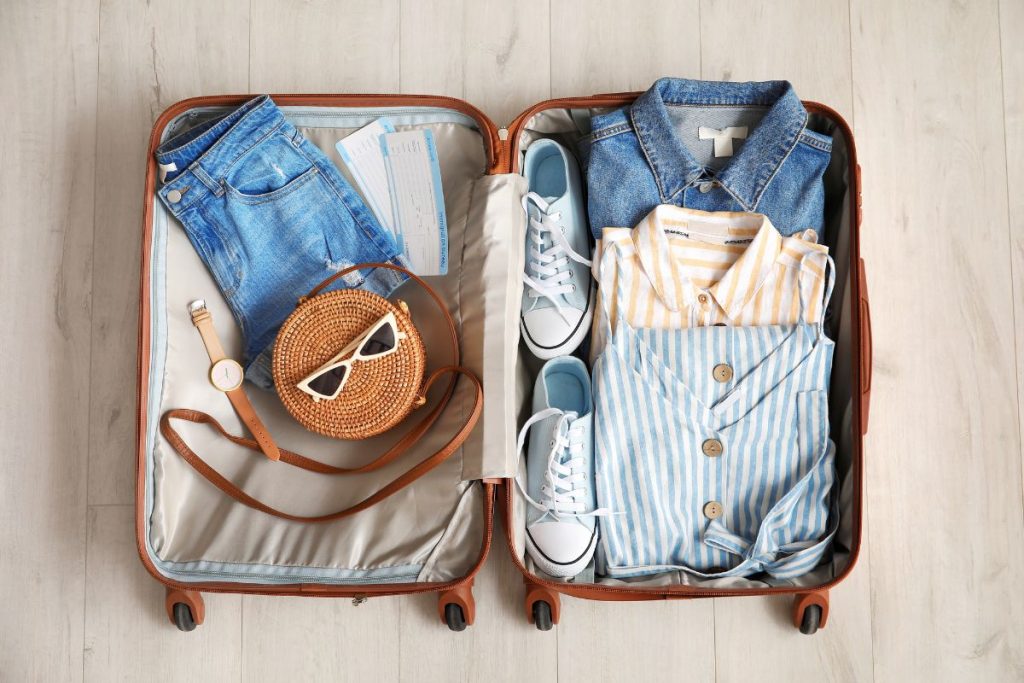
When you picture the African savanna, the roar of lions and the sweep of endless skies come to mind—but few travelers think about what to pack for an African safari. Packing the wrong gear can turn a dream adventure into a series of avoidable frustrations. Imagine missing a perfect sunset photo because you forgot binoculars, or struggling with the wrong shoes on a bush walk. This 2025 safari packing guide is your ultimate checklist to travel smart, stay comfortable, and focus on the adventure of a lifetime.

Why Packing Right Matters for Your Safari
Packing for a safari is more than a simple travel task—it shapes the quality of your entire experience. The right choices keep you comfortable, safe, and fully prepared for the challenges and surprises of the African wilderness. Before diving into what to bring, it’s important to understand why a carefully planned packing list makes all the difference.
1. Comfort in Extreme Weather on Safari
African safaris expose travelers to dramatic temperature shifts in a single day—cold mornings, scorching afternoons, and cool evenings. Without the right packing strategy, these rapid changes can make game drives and bush walks uncomfortable. By bringing breathable clothing, insulating layers, and a warm outer jacket, you remain prepared for every condition. Packing correctly ensures comfort throughout your safari, no matter the weather.
2. Wildlife Viewing Success Through Proper Safari Clothing
The colors and styles you pack directly influence your wildlife experience. Neutral safari-friendly tones such as beige, olive, or khaki allow you to blend into the natural surroundings. This reduces distractions for animals, increasing your chances of observing them up close in their natural behavior. Choosing the right clothing is not just about appearance—it’s a tool for better wildlife encounters.
3. Health and Safety Benefits of Packing the Right Safari Gear
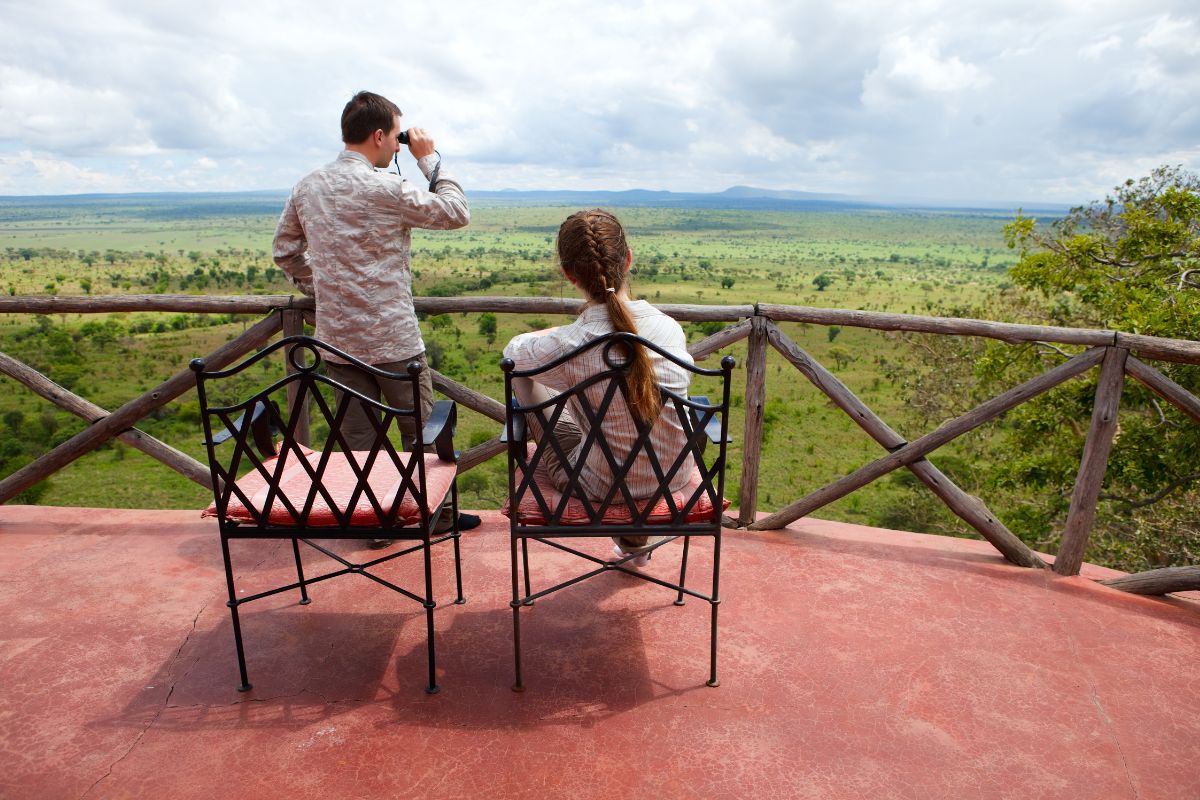
A safari exposes you to strong sun, biting insects, and rugged terrain, making health-focused packing essential. Insect repellent, mosquito nets, and protective clothing reduce the risk of bites and disease. Sunscreen, hats, and UV-protective sunglasses safeguard against sunburn and heat exhaustion. Sturdy footwear prevents blisters and injuries, ensuring your health and safety are never compromised during the trip.
4. Being Photography Ready with Essential Safari Equipment
Safaris offer once-in-a-lifetime photography opportunities, but missing key gear can mean missed memories. Packing extra camera batteries, portable chargers, and lens covers ensures your equipment is always ready. A lightweight backpack keeps gear organized and easily accessible on game drives or nature walks. With the right preparation, you can focus on capturing breathtaking images instead of worrying about dead batteries or damaged lenses.
5. Traveling Light and Smart on Safari
Moving between safari lodges, tented camps, and small charter planes often comes with strict luggage limits. Overpacking can slow you down, incur extra fees, and make travel more stressful than it needs to be. A carefully curated packing list allows you to bring only what is necessary while keeping your load manageable. Smart, light travel means you spend less time worrying about logistics and more time enjoying your safari adventure.
6. Respecting Local Culture and Nature Through Responsible Packing
What you pack says a lot about your respect for the destinations you visit. Modest clothing demonstrates cultural awareness when engaging with local communities, while eco-friendly items such as reusable water bottles and biodegradable toiletries reduce your environmental footprint. Responsible packing supports both cultural sensitivity and sustainable tourism practices. By being intentional with your packing, you show respect for both people and planet.
Essentials to Pack for an African Safari
When preparing for an African safari, it helps to think in categories. Understanding what to pack for an African safari ensures each group of items serves a specific purpose—from keeping you comfortable in unpredictable climates to ensuring your safety and convenience on long game drives. Below are the main essentials you’ll need:
-
Safari Clothing – Lightweight, neutral-toned outfits that work in different weather conditions.
-
Footwear – Sturdy boots for the bush and comfortable shoes for the lodge.
-
Travel Gear – Backpacks, duffels, and organizers that make packing efficient.
-
Health & Safety Essentials – First aid, medication, insect repellent, and sunscreen.
-
Tech & Photography Gear – Cameras, binoculars, power banks, and chargers.
-
Personal Comfort Items – Travel pillows, reusable water bottles, and toiletries.
Now, let’s start with the most important category—your safari clothing.
1. Essential Safari Clothing
Clothing is the foundation of any safari packing list. The right outfits ensure you remain comfortable in unpredictable climates, safe from insects and the sun, and discreet when observing wildlife. Think in terms of function: lightweight fabrics, neutral tones, and versatile layers.
Lightweight and Breathable Outfits
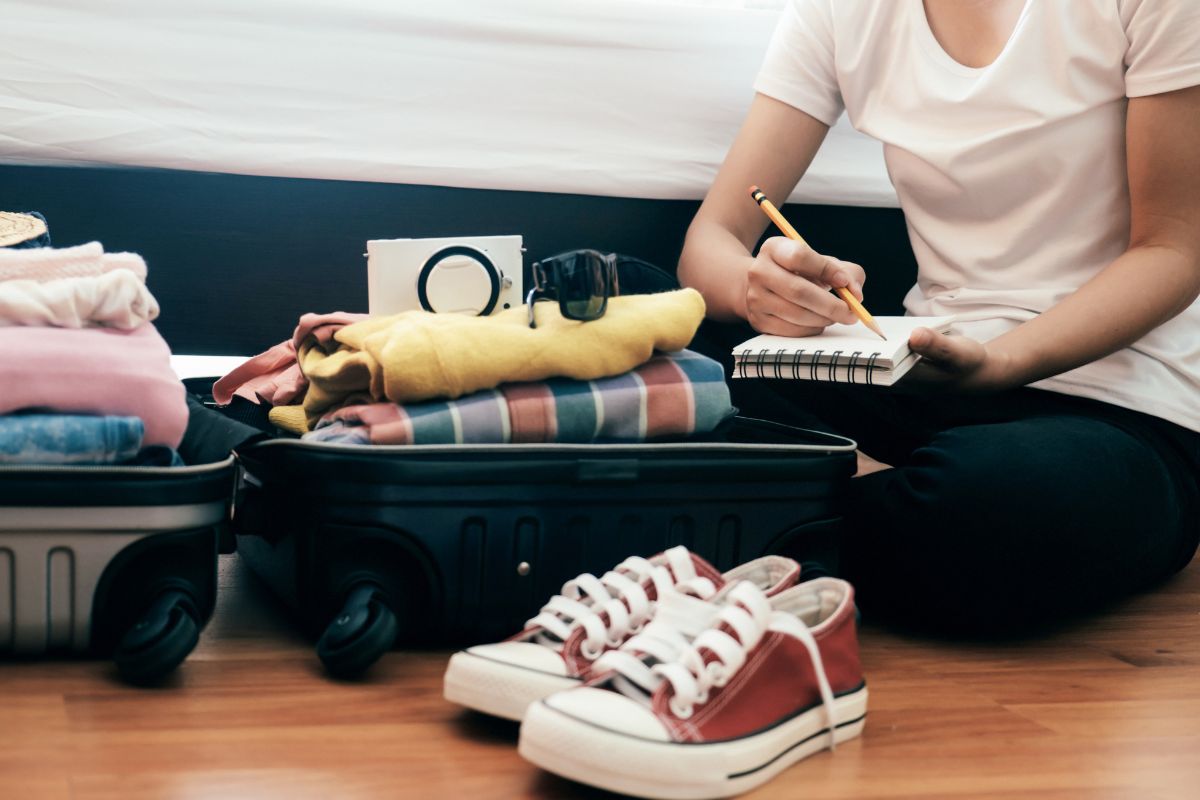
On safari, you’ll often spend long hours under the African sun, where heat and dust can quickly become uncomfortable. Choosing the right breathable outfits helps regulate your body temperature while protecting your skin from the elements.
-
Pack moisture-wicking shirts
Choose short- and long-sleeved shirts made of cotton or technical quick-dry fabrics. These keep you cool under the hot sun while offering coverage against insects. -
Opt for breathable trousers
Lightweight safari trousers that convert into shorts are versatile for long game drives. They protect your legs during walks while allowing flexibility in the heat. -
Bring quick-dry fabrics
Safaris often involve dust, dirt, and sweat. Quick-dry clothing lets you wash and re-wear items easily, cutting down on overpacking.
Neutral Colors for Blending In
The colors you wear can influence the success of your safari experience. Neutral tones help you blend into the natural surroundings, making wildlife encounters less intrusive and more rewarding.
-
Stick to earthy tones
Shades like khaki, beige, olive, and brown help you blend into the environment and avoid startling animals. -
Avoid bright and white clothing
Bold colors can draw unnecessary attention, while white stains easily in dusty conditions. -
Stay clear of black and navy
These darker shades attract tsetse flies in some regions, increasing the risk of bites.
Layering for Cool Mornings and Evenings
Safari climates can shift dramatically between sunrise and sunset. Early-morning drives may feel cold, while afternoons bring intense heat. Layering ensures you’re prepared for every temperature change without overpacking.
-
Pack a lightweight fleece or sweater
Early-morning game drives can be chilly. A warm layer makes dawn excursions far more comfortable. -
Include a windbreaker or safari jacket
Choose a lightweight jacket with pockets to store small items like binoculars or sunscreen. -
Use versatile layering
Wear light clothes underneath and add or remove layers as temperatures change throughout the day.
2. Footwear for Every Safari Adventure
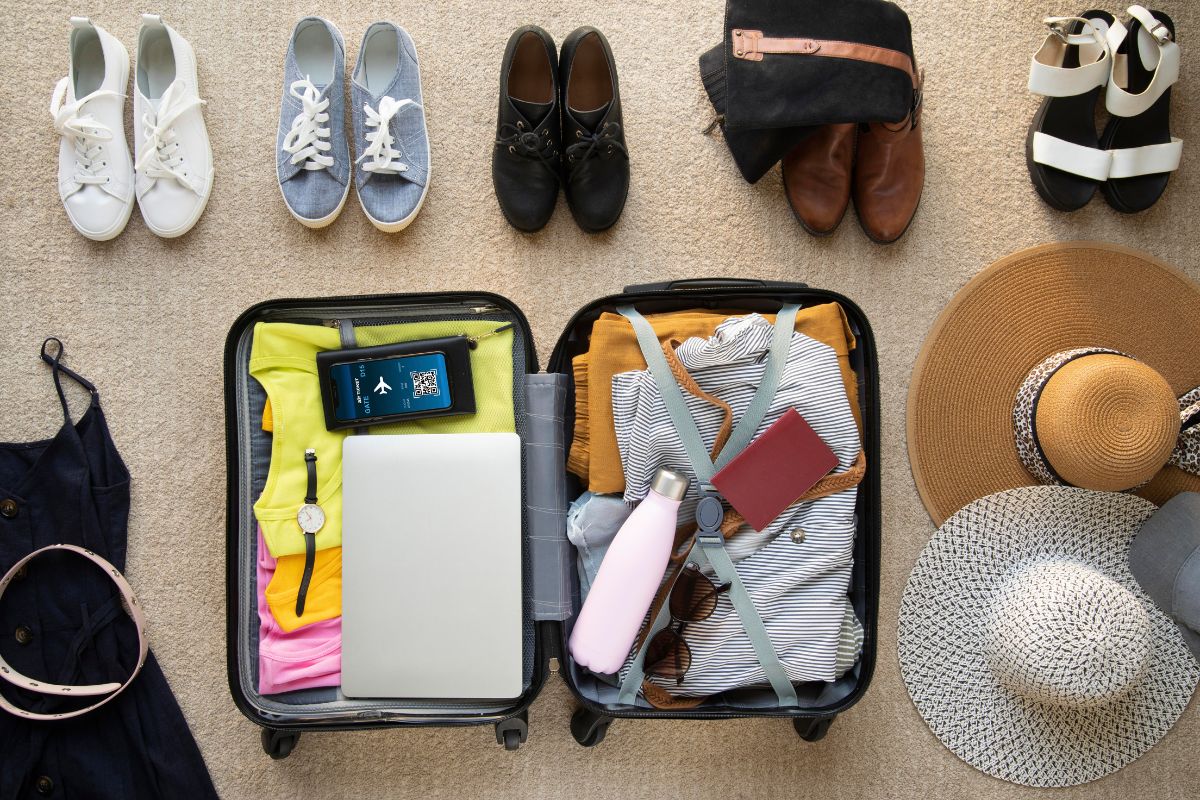
Your choice of footwear can make or break your safari experience. From bush walks to long game drives, having the right shoes ensures comfort, safety, and practicality. It’s best to pack footwear that balances durability with versatility, so you’re prepared for every setting—from rugged trails to relaxed evenings at the lodge.
Comfortable Walking Shoes
Walking is a big part of the safari experience, whether exploring campsites or joining guided bush walks. A reliable pair of walking shoes keeps your feet supported while minimizing fatigue.
-
Choose lightweight trainers or hiking shoes
Opt for breathable materials that allow ventilation while offering enough support for uneven terrain. -
Prioritize cushioning and arch support
Long days outdoors can strain your feet; cushioned insoles reduce impact and enhance comfort. -
Break them in before the trip
New shoes often cause blisters. Wear them at home for a few days to ensure they’re comfortable before your safari.
Durable Safari Boots
When navigating rough terrain or embarking on guided treks, boots are essential. A sturdy pair not only provides ankle support but also protects against thorns, insects, and uneven ground.
-
Select mid-ankle or high-ankle boots
These designs offer better stability and reduce the risk of twisting your ankle on rocky paths. -
Go for waterproof or water-resistant materials
Early morning dew and sudden rain showers are common in the bush. Waterproof boots keep your feet dry and comfortable. -
Pack breathable socks
Moisture-wicking socks paired with boots prevent blisters and reduce sweat build-up in hot climates.
Sandals for Lodge and Camps
After long days of walking or driving, your feet will welcome something more relaxed. Sandals are perfect for downtime at the lodge or campsite, giving your feet room to breathe.
-
Pack open-toe or slip-on sandals
Easy to wear and remove, they’re ideal for casual settings around camp. -
Look for cushioned soles
Soft soles provide relief after hours in boots or walking shoes. -
Avoid flimsy flip-flops
Stick to sturdy sandals that offer comfort and grip, ensuring safety even on slightly uneven lodge pathways.
3. Safari Accessories You Shouldn’t Forget
Accessories may seem secondary, but on safari they are often the items that ensure safety, convenience, and an unforgettable experience. The right gear protects you from harsh conditions, keeps you comfortable, and allows you to fully appreciate wildlife moments.
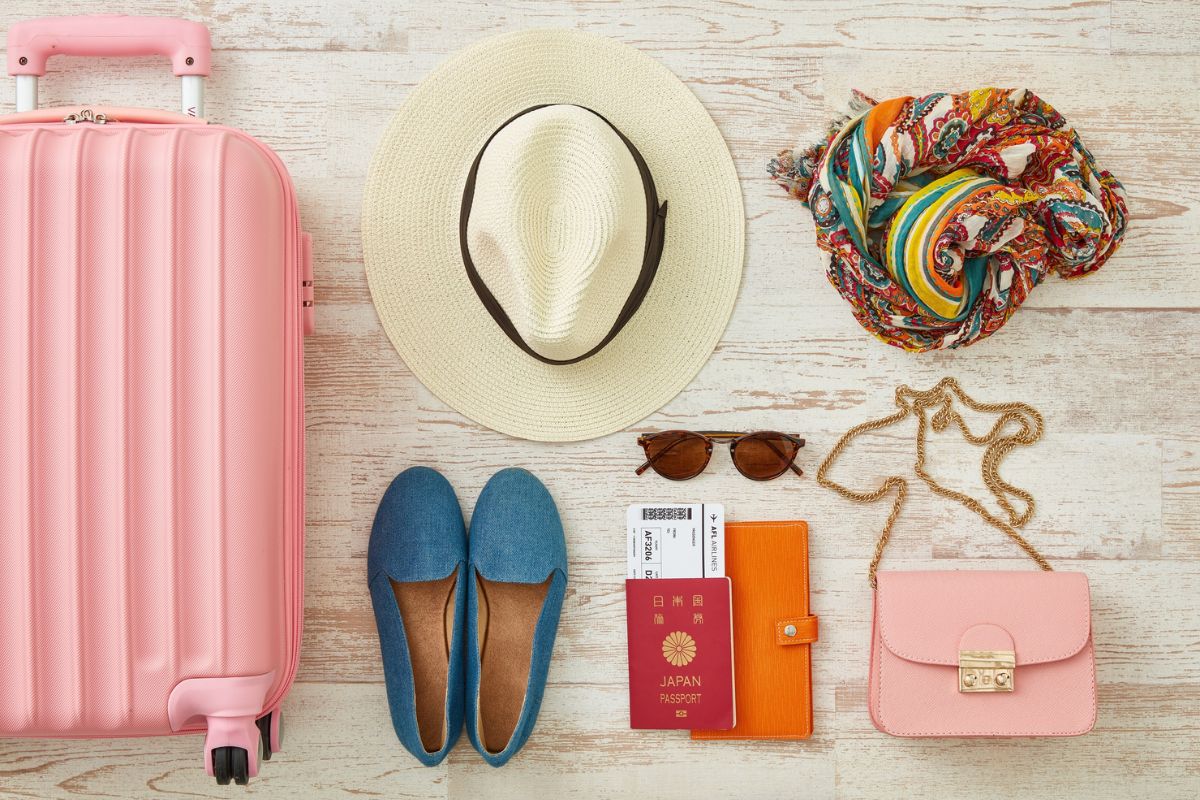
Sun Protection – Hat, Sunglasses, Sunscreen
Safaris mean long hours under direct sunlight. Proper sun protection is essential for both comfort and health, shielding you from heatstroke, sunburn, and eye strain.
-
Wide-brimmed safari hat
Provides shade for your face, neck, and ears—offering more coverage than a cap. -
Polarized sunglasses
Reduce glare during game drives, making it easier to spot animals while protecting your eyes from UV rays. -
High SPF sunscreen
Pack a broad-spectrum SPF 30 or higher. Reapply regularly, especially during midday game drives.
Insect Repellent and Mosquito Nets
Insects are common in the African bush, and certain regions carry a risk of mosquito-borne diseases like malaria. Being proactive with insect protection is crucial for your health and comfort.
-
Strong insect repellent
Choose one with DEET or natural alternatives like lemon eucalyptus for long-lasting protection. -
Anti-mosquito clothing spray
Treating your clothes adds an extra layer of defense against bites. -
Portable mosquito net
While most lodges provide nets, carrying a lightweight one ensures peace of mind if accommodations fall short.
Binoculars and Camera Gear
Spotting wildlife at a distance and capturing memories are core parts of any safari. Quality optics and camera gear ensure you don’t miss a single moment.
-
Compact binoculars
A pair with at least 8x magnification helps you observe animals clearly without disturbing them. -
DSLR or mirrorless camera
Bring a reliable camera with a zoom lens (200mm–400mm) for wildlife photography. -
Extra batteries and memory cards
Power sources are limited in remote camps. Extra storage and backup batteries prevent missed opportunities.
4. Travel Documents and Essentials
Even the most carefully packed safari gear won’t matter if your travel documents are incomplete. Paperwork is the foundation of a smooth journey, ensuring you can cross borders, access medical care if needed, and meet entry requirements. Always prepare these items well in advance.
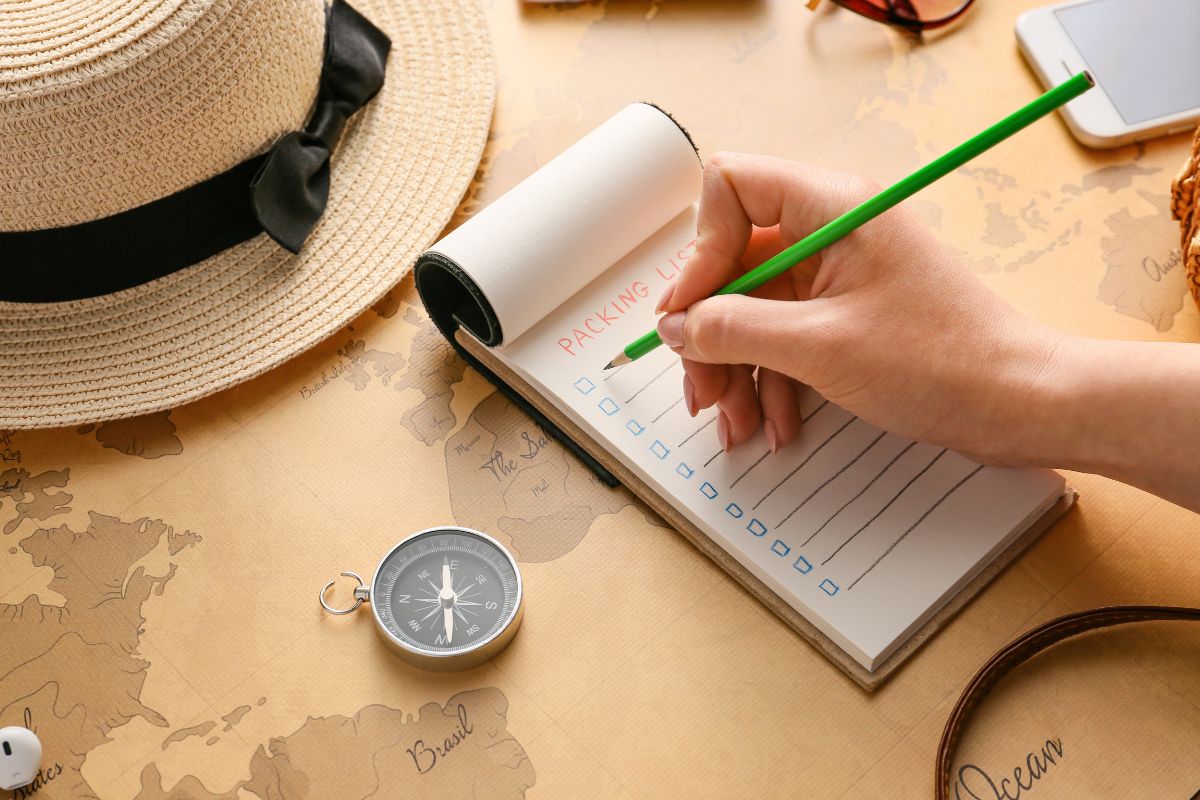
Passport, Visa, and Copies
Your passport and visa are the most important travel items. Without them, you won’t be able to enter or leave the country. Keeping backup copies ensures you’re covered in case of loss or theft.
-
Valid passport with at least 6 months remaining
Many African countries require your passport to be valid beyond your travel dates. -
Necessary visas arranged in advance
Research the entry requirements for each country on your itinerary and secure visas before arrival. -
Photocopies and digital backups
Store extra copies of your passport and visa in a separate bag and email yourself scanned versions.
Travel Insurance
A safari involves remote destinations where medical facilities may be limited. Comprehensive travel insurance protects you against medical emergencies, trip cancellations, and lost belongings.
-
Medical coverage including evacuation
Ensure your plan covers emergency airlifts, which are essential in remote safari regions. -
Trip cancellation protection
Safaris are expensive; insurance ensures you don’t lose money due to unexpected cancellations. -
Coverage for personal belongings
Protects cameras, gear, and luggage from theft or damage.
Vaccination Certificates
Health precautions are often required for entry into African countries, and vaccination certificates prove compliance. They also protect your wellbeing during the trip.
-
Yellow fever certificate
Many African countries require proof of yellow fever vaccination before entry. -
COVID-19 or other health records (if applicable)
Some destinations may still request proof of recent tests or vaccinations. -
Keep certificates accessible
Store them in a waterproof pouch or digital folder for quick access at border checks.
5. Health and Personal Care Items
Maintaining your health and hygiene is essential for a comfortable safari experience. Being proactive with personal care items minimizes risks from minor injuries, illness, and exposure to unfamiliar environments, allowing you to focus entirely on your adventure.
Basic First Aid Kit
A compact first aid kit is a must for safaris, especially in remote areas where medical facilities may be limited. Being prepared ensures minor injuries or ailments don’t disrupt your trip.
-
Bandages and antiseptics
Include adhesive bandages, gauze, antiseptic wipes, and antibiotic ointments for cuts or scrapes. -
Pain relief and fever medication
Pack ibuprofen, paracetamol, or similar medications for headaches, fever, or muscle aches. -
Travel-size disinfectant
Hand sanitizers or wipes help prevent infections when water and soap aren’t readily available.
Prescription Medications
If you take regular medications, bringing sufficient supplies is essential. Safaris often involve remote travel where pharmacies are scarce.
-
Pack extra doses
Bring more than your planned dosage to cover unexpected delays. -
Keep medications in original packaging
Original labels make it easier to explain what they are at customs or medical facilities. -
Carry a prescription copy
A doctor’s note or prescription ensures replacement medications can be obtained if needed.
Toiletries and Eco-Friendly Options
Maintaining hygiene during multi-day safaris enhances comfort and prevents skin issues. Choosing eco-friendly products also reduces your environmental footprint in sensitive ecosystems.
-
Travel-size toiletries
Bring essentials like shampoo, soap, toothpaste, and deodorant in small, leak-proof containers. -
Biodegradable or eco-friendly options
Choose products that minimize chemical runoff into natural habitats.
Personal hygiene items
Include wet wipes, hand sanitizer, and a reusable water bottle to stay fresh and hydrated.
6. Tech and Gadgets for Safari Travelers
Technology enhances your safari experience by helping you capture memories, stay connected, and navigate remote areas safely. Knowing what to pack for an African safari ensures you bring the right gadgets for convenience, efficiency, and peace of mind throughout your journey. Proper tech preparation lets you focus on the adventure while documenting every unforgettable moment.
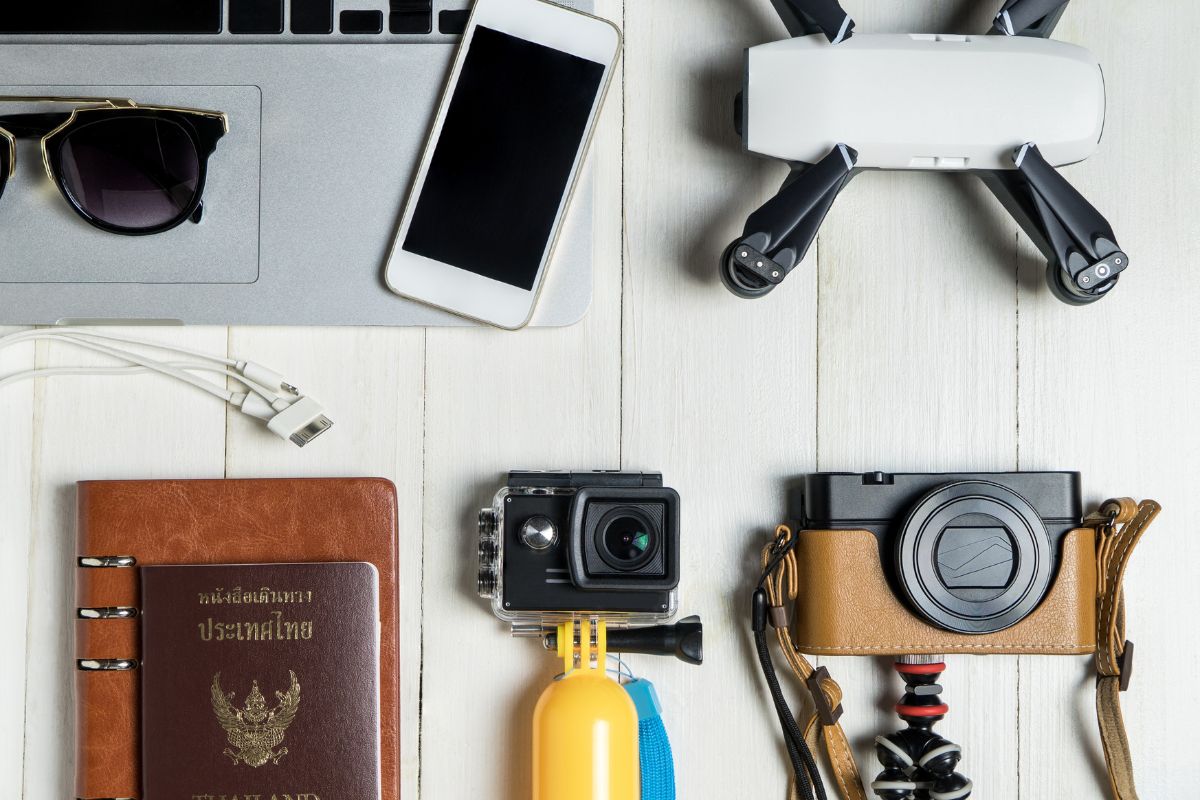
Power Bank and Universal Adapter
Reliable power is essential for charging devices during long days in the bush where electricity may be limited.
-
High-capacity power bank
Choose one with at least 20,000mAh to recharge phones, cameras, and other devices multiple times. -
Universal travel adapter
Ensure compatibility with outlets in all countries on your safari itinerary. -
Extra charging cables
Bring backup cables for all devices to avoid disruptions while on the move.
Camera, Lenses, and Memory Cards
Capturing wildlife moments is one of the highlights of a safari. Quality photography gear ensures you don’t miss any unforgettable scenes.
-
DSLR or mirrorless camera
Provides the flexibility and image quality needed for wildlife photography. -
Zoom lenses (200mm–400mm)
Essential for photographing distant animals without disturbing them. -
Extra memory cards and batteries
Remote locations may not have charging facilities, so stock up on storage and power backups.
Lightweight Travel Laptop or Tablet
While the focus is on nature, having a portable device allows you to manage itineraries, backup photos, or stay in touch with family.
-
-
Compact and lightweight device
Reduces travel burden while offering enough functionality for essential tasks. -
Protective case or sleeve
Safeguards your device from dust, scratches, and minor impacts. -
Offline capabilities
Download maps, guides, and entertainment in advance to avoid relying on limited internet access.
-
Luggage and Packing Tips
Choosing the right luggage and organizing it efficiently is critical for a smooth safari experience. Knowing what to pack for an African safari ensures you can carry everything you need without excess bulk or hassle, even with limited space on small safari vehicles and planes. Smart packing keeps your journey comfortable, organized, and stress-free.
Duffel Bags vs. Suitcases
Selecting the appropriate luggage type affects convenience and flexibility during your safari.
-
Soft-sided duffel bags
Easier to fit in vehicle compartments and light aircraft holds. Flexible and durable for rugged travel conditions. -
Hard-sided suitcases
Offer extra protection for fragile gear like cameras and electronics but may be less convenient on smaller planes. -
Consider mobility and accessibility
Choose bags with comfortable handles and straps for easy loading and unloading.
Packing Cubes and Organizers
Efficient organization reduces stress and saves time during your safari. Packing cubes and organizers make it simple to separate clothing, accessories, and gear.
-
Use packing cubes for categories
Assign cubes for tops, bottoms, underwear, and tech accessories for quick access. -
Compress bulky items
Rolling clothes or using compression cubes maximizes luggage space. -
Label or color-code
Makes finding specific items easier without unpacking your entire bag.
Weight Limits for Small Safari Planes
Many safari destinations involve charter flights with strict weight restrictions. Planning ahead prevents last-minute repacking and extra fees.
-
Check airline weight limits
Most small aircraft allow 15–20 kg per passenger, including hand luggage. -
Weigh your bag in advance
Use a portable luggage scale to ensure compliance before reaching the airstrip. -
Pack only essentials
Prioritize versatile clothing and gear to stay within limits while covering all needs.
Optional But Useful Items
While not strictly essential, knowing what to pack for an African safari can help you include optional items that significantly enhance your experience. These additions improve convenience, personal enjoyment, and cultural engagement during your travels. Consider items like a travel journal, a reusable water bottle, or small gifts for local communities—each thoughtfully selected based on what to pack for an African safari ensures a more comfortable, memorable, and meaningful journey.
Travel Journal
Documenting your safari memories allows you to capture reflections, sightings, and personal experiences that photos alone cannot convey.
-
Compact notebook or digital journal
Easy to carry on game drives or during downtime at lodges. -
Include pens and pencils
Ensure you have reliable writing tools for sketches, notes, or journaling wildlife encounters. -
Record key details
Track animal sightings, guides’ insights, and personal reflections for lasting memories.
Reusable Water Bottle
Staying hydrated is vital in hot climates. Bringing a durable, refillable bottle reduces reliance on single-use plastics while keeping water accessible at all times.
-
Durable, leak-proof design
Ensures no spills during vehicle rides or walks. -
Insulated bottles
Keep water cool throughout long game drives. -
Eco-friendly choice
Helps reduce plastic waste in sensitive natural environments.
Small Gifts for Local Communities
Engaging respectfully with local communities enriches your safari experience and supports sustainable tourism. Small gifts or tokens of appreciation can make meaningful connections.
-
Consider practical items
School supplies, hygiene kits, or clothing are often more useful than generic souvenirs. -
Respect cultural norms
Ask guides for guidance on appropriate items and customs. -
Keep gifts small and portable
Lightweight items are easier to carry and distribute during visits.
Packing for the Perfect Safari Experience
Knowing what to pack for an African safari is the cornerstone of an enjoyable and stress-free adventure. By carefully selecting clothing, footwear, travel documents, health essentials, and optional items, you ensure comfort, safety, and memorable wildlife encounters. Proper preparation means you can focus entirely on the experience, rather than worrying about forgotten essentials.
Take the time to customize your checklist based on your itinerary, season, and personal preferences—this way, you’ll know exactly what to pack for an African safari and step into the bush fully prepared for every moment of your adventure.
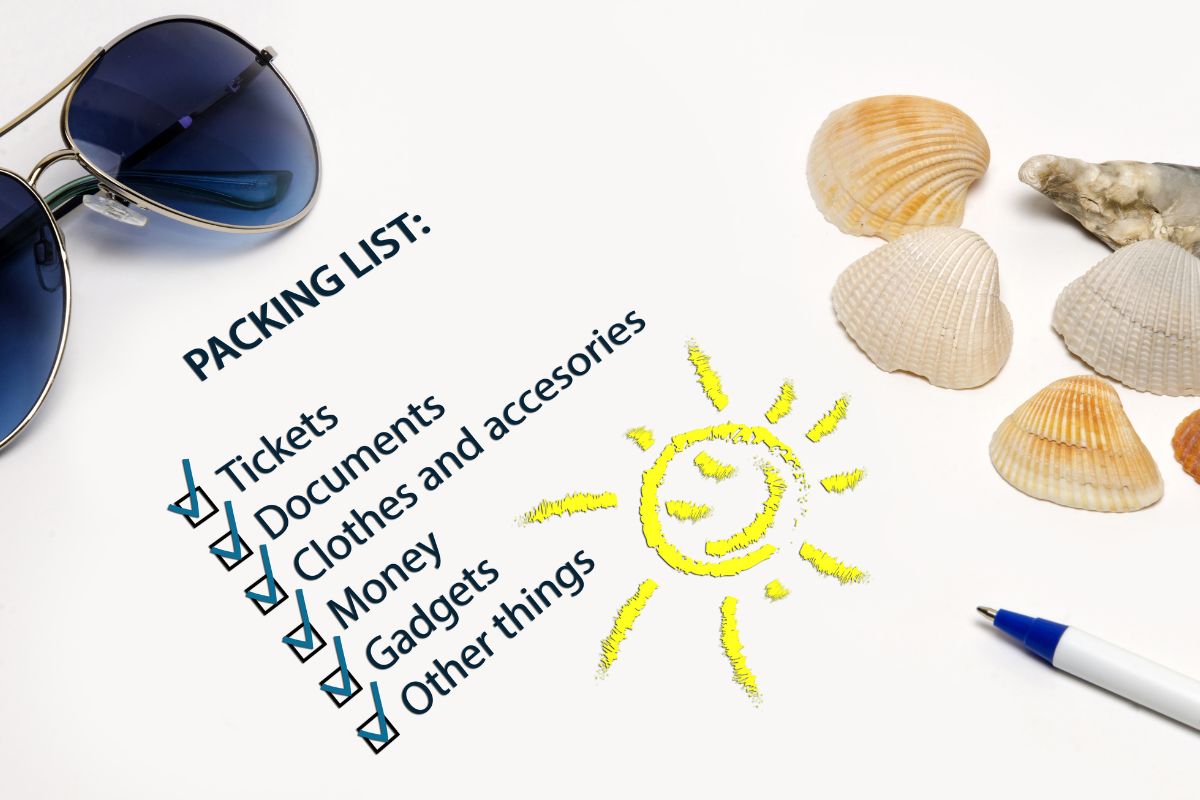
FAQS – What to Pack for an African Safari
When planning an African safari, knowing what to pack for an African safari can make all the difference between a comfortable, enjoyable adventure and a stressful experience. This FAQ section addresses common concerns and provides practical guidance to help you prepare efficiently and confidently.
1. What clothing is essential for an African safari?
Packing the right clothing ensures comfort, protection, and adaptability to varying safari conditions. Focus on lightweight, breathable fabrics in neutral colors to blend into the natural environment. Include:
-
Long-sleeve shirts and pants for sun and insect protection
-
Layered clothing for cool mornings and evenings
-
A wide-brimmed hat and UV-protective accessories
-
Comfortable safari jackets or fleece for early morning drives
Avoid bright colors or flashy patterns that may disturb wildlife or attract insects.
2. What type of footwear should I bring on a safari?
Choosing appropriate footwear is important for walking safaris, vehicle excursions, and lodge visits. Include:
-
Comfortable walking shoes for game drives and lodge walks
-
Durable safari boots for uneven terrain
-
Sandals for relaxing at the camp or lodge
-
Always break in shoes before the safari to prevent blisters
Proper footwear prevents injuries and maximizes comfort during long days in the bush.
3. Which travel documents are necessary for safari travel?
Travel documents are mandatory for seamless entry, safety, and emergency preparedness. Pack:
-
Passport and necessary visas
-
Travel insurance documents covering medical emergencies and evacuation
-
Vaccination certificates, including yellow fever and other required inoculations
-
Keep physical copies and digital backups to avoid disruptions at borders or lodges
4. How do I protect myself from sun and insects?
Sun and insect protection is essential for health and comfort during an African safari. Consider:
-
Wide-brimmed hats, sunglasses, and high SPF sunscreen for sun protection
-
Effective insect repellents and mosquito nets to prevent bites
-
Anti-mosquito clothing sprays for extra defense in high-risk areas
These items reduce the risk of sunburn, heat exhaustion, and insect-borne illnesses.
5. What health and personal care items are necessary?
Maintaining hygiene and health in remote safari locations ensures a comfortable experience. Essentials include:
-
Basic first aid kit: bandages, antiseptics, and pain relief medication
-
Prescription medications with extras and copies of prescriptions
-
Travel-size toiletries and eco-friendly hygiene products
-
Hand sanitizer and wet wipes for quick cleaning on the go
6. Should I bring tech gadgets on a safari?
Tech enhances the safari experience for photography, navigation, and convenience. Pack:
-
Camera with zoom lenses for wildlife photography
-
Extra memory cards and batteries for uninterrupted documentation
-
Power banks and universal adapters to keep devices charged
-
Optional: a lightweight tablet or laptop for itinerary planning or offline entertainment
7. How should I pack luggage for a safari?
Efficient luggage selection and organization are key due to limited space on safari vehicles and small planes. Tips:
-
Prefer soft-sided duffel bags for flexibility, or hard-sided cases for fragile items
-
Use packing cubes or organizers to separate clothing, accessories, and gear
-
Monitor weight limits for small aircraft, usually 15–20 kg per passenger
-
Only pack essentials to avoid excess weight and logistical complications
8. Are there optional items worth bringing on safari?
Yes, some items enhance convenience, comfort, and cultural engagement:
-
Travel journal to record wildlife sightings and personal reflections
-
Reusable water bottle to stay hydrated sustainably
-
Small gifts for local communities to support responsible tourism
-
Binoculars for distant wildlife viewing or optional entertainment for downtime
9. How can I pack efficiently to maximize space?
Efficient packing ensures you stay within weight limits and have quick access to essentials:
-
Roll clothes instead of folding to save space and minimize wrinkles
-
Use compression packing cubes to reduce bulk
-
Keep frequently used items like toiletries and travel documents in easily accessible compartments
-
Pack multipurpose clothing to reduce the number of items required
10. How early should I start preparing for safari packing?
Preparation is key to a stress-free safari. Experts recommend:
-
Start 4–6 weeks in advance to gather all essentials and test gear
-
Check seasonal conditions to select appropriate clothing
-
Ensure vaccinations, visas, and travel insurance are completed ahead of time
-
Conduct a test packing to confirm luggage weight and organization
Plan Your Perfect Safari: Book Now with AK African Tours & Safaris
Ready to embark on the African adventure of a lifetime? With AK African Tours & Safaris, you’ll travel fully prepared, knowing exactly what to pack for an African safari to stay comfortable, safe, and ready for every wildlife encounter. From expertly curated itineraries to personalized packing tips, we ensure your journey is seamless and unforgettable. Reserve your safari today by visiting Contact Us and take the first step toward your dream adventure.