Ever dreamed of a magical Kenyan safari, only to feel overwhelmed by the countless decisions — where to go, when to travel, what to pack, or which operator to trust? You’re not alone, as studies show nearly 65% of travelers find the planning stage more stressful than the trip itself. The reality is, without the right guidance, a safari meant to inspire can quickly become a logistical headache. That’s why planning the best Kenyan safari is more than just choosing dates — it’s about creating an adventure that’s seamless, safe, and unforgettable.
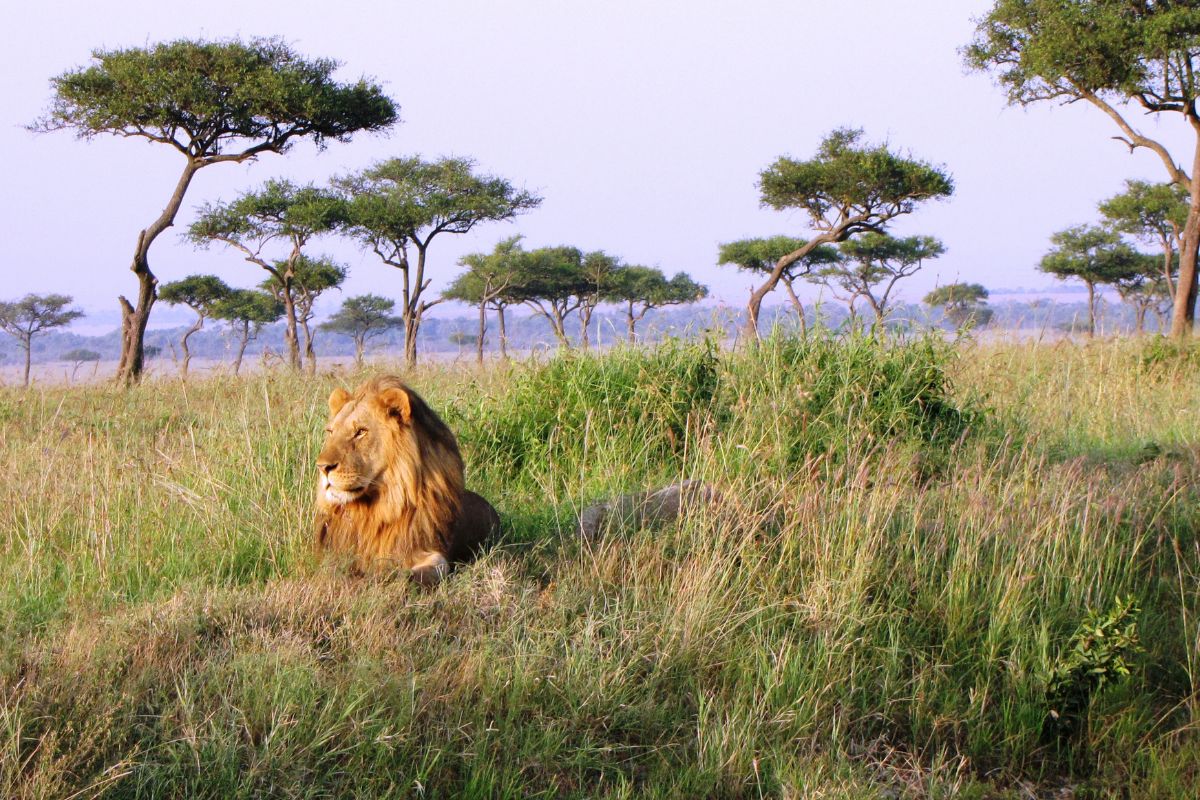
1. Research Your Destination: Explore the Best Safari Locations in Kenya
Choosing the right park or reserve is the foundation of planning the best Kenyan safari: every destination has distinct features, wildlife, and scenery that shape your experience. Whether you’re chasing the Great Migration, birdwatching, or looking for unique species, your choice will define your adventure.
a. Maasai Mara National Reserve
The Maasai Mara is the most famous safari location in Kenya, known for the dramatic Great Migration where millions of wildebeests, zebras, and gazelles cross the Mara River. Throughout the year, it remains a predator hotspot with lions, cheetahs, and leopards frequently spotted. Visitors can also enjoy cultural visits to Maasai villages, adding a human connection to the wildlife spectacle.
b. Amboseli National Park
Amboseli offers postcard-perfect views of Mount Kilimanjaro and close encounters with some of the largest elephant herds in Africa. Its wide-open plains make it excellent for photography, while its ecosystem supports giraffes, buffaloes, hyenas, and over 400 bird species. This balance of iconic scenery and diverse wildlife makes Amboseli a top choice for travelers.
c. Tsavo National Park
As one of the largest national parks in the world, Tsavo is divided into Tsavo East and Tsavo West, each offering distinct experiences. Tsavo East is known for its “red elephants” covered in the park’s unique soil, while Tsavo West features volcanic landscapes, lush springs, and hippo pools. Its size and ruggedness make it ideal for those who want a more adventurous and less touristy safari.
d. Samburu National Reserve
Samburu is a hidden gem in northern Kenya, popular for its unique wildlife and striking semi-arid scenery. It is home to the rare “Samburu Special Five”: Grevy’s zebra, Somali ostrich, reticulated giraffe, Beisa oryx, and gerenuk. The cultural interactions with the Samburu people add depth to the safari, giving visitors a chance to connect with local traditions.
e. Lake Nakuru National Park
Lake Nakuru is celebrated for its birdlife, especially the flamingos that line its shores. Beyond birds, it also protects endangered black and white rhinos, Rothschild’s giraffes, and even tree-climbing lions. With its combination of lake, forest, and savannah, it provides a compact but rewarding safari option.

f. Ol Pejeta Conservancy
For those interested in conservation, Ol Pejeta is unmatched. It is home to the last two northern white rhinos and has one of the strongest rhino protection programs in the world. Visitors can also enjoy chimpanzee sanctuaries, guided bush walks, and night game drives, making it an ideal blend of wildlife adventure and meaningful conservation.
2. Set a Realistic Budget for Your Safari
Budgeting is a key step when planning the best Kenyan safari: it helps you align your expectations with the kind of experience you want. From budget-friendly camping trips to luxurious lodge stays, your choices will largely depend on how much you’re willing to invest in the journey.
a. Calculate Your Total Travel Costs
When setting your safari budget, begin with the overall trip cost. This should cover flights, airport transfers, accommodation, park entry fees, meals, and transportation between safari destinations. By calculating this upfront, you’ll avoid unexpected expenses that could affect your experience.
b. Choose Between Budget, Mid-Range, and Luxury Options
Kenya offers safari packages for different budget levels. Budget safaris often include group tours, shared vehicles, and camping accommodations, making them affordable but less private. Mid-range safaris provide comfortable lodges or tented camps, while luxury safaris feature high-end lodges, private guides, and exclusive game drives. Understanding the differences ensures you get value for your money.
c. Plan for Seasonal Price Changes
Costs vary depending on the time of year. High season (July to October, during the Great Migration) attracts higher prices due to demand, while low season (April to June) offers more affordable rates with fewer tourists. If flexibility is possible, traveling during shoulder seasons can give you a balance of good weather, wildlife sightings, and better pricing.
d. Factor in Extra Experiences
Beyond game drives, many safari destinations offer unique add-ons. Hot-air balloon rides over the Maasai Mara, guided bush walks, or cultural visits to local communities all enhance your adventure but come with additional costs. Including these in your budget ensures you don’t miss out on experiences that make your safari truly unforgettable.
e. Account for Gratuities and Hidden Costs
It’s customary to tip safari guides, drivers, and lodge staff, usually calculated per day. Other hidden costs may include travel insurance, visa fees, and personal items like safari gear. Setting aside a portion of your budget for these expenses ensures smoother planning and avoids last-minute stress.
3. Choose the Right Safari Tour Operator
Selecting a reliable tour operator is essential when planning the best Kenyan safari: the right partner ensures smooth logistics, safety, and an unforgettable adventure. From arranging transport to customizing itineraries, your operator plays a key role in shaping your overall experience.
a. Check Credentials and Licensing
Always confirm that the safari operator is licensed and recognized by relevant Kenyan tourism authorities, such as the Kenya Association of Tour Operators (KATO). Licensed companies adhere to industry standards, giving you confidence in their professionalism, safety, and ethical practices.
b. Review Experience and Track Record
Experience matters in the safari world. Established operators often have seasoned guides who know the best wildlife spots, migration patterns, and safe routes. Reading reviews, testimonials, and checking their years in business can give you a clear picture of their reliability and service quality.
c. Evaluate Customization and Flexibility
A good safari company should offer more than standard packages. Look for operators that can tailor itineraries based on your preferences—whether that’s luxury lodging, family-friendly activities, cultural experiences, or extended game drives. Customization ensures your safari feels personal rather than generic.
d. Assess Customer Support and Communication
Strong communication before and during your trip is vital. Reliable operators provide clear details on itineraries, respond promptly to questions, and remain available during your safari in case of emergencies. Excellent customer support reflects professionalism and gives you peace of mind throughout your journey.
e. Compare Value Beyond Price
While budget is important, the cheapest option is not always the best. Consider what’s included—park fees, meals, transport, and guide services—when comparing quotes. A slightly higher-priced operator who provides experienced guides, safe vehicles, and quality accommodations may ultimately deliver more value.
4. Check the Best Time to Visit Kenya
Timing plays a huge role when planning the best Kenyan safari: the season you choose affects wildlife visibility, weather conditions, and overall costs. Knowing when to go helps you balance great sightings with comfort and value.
a. The Dry Season (June to October)
This is the most popular time for a safari in Kenya. Wildlife gathers around rivers and waterholes, making animals easier to spot. Roads are also more accessible, and the clear skies provide excellent conditions for photography. However, it’s peak season, so prices are higher and parks can be busier.
b. The Wet Season (November to May)
While the rainy season can make some roads challenging, it offers a different kind of safari experience. The landscapes are lush and green, newborn animals are plentiful, and birdwatching is at its best. It’s also less crowded, and accommodation rates are lower, making it ideal for travelers seeking peace and value.
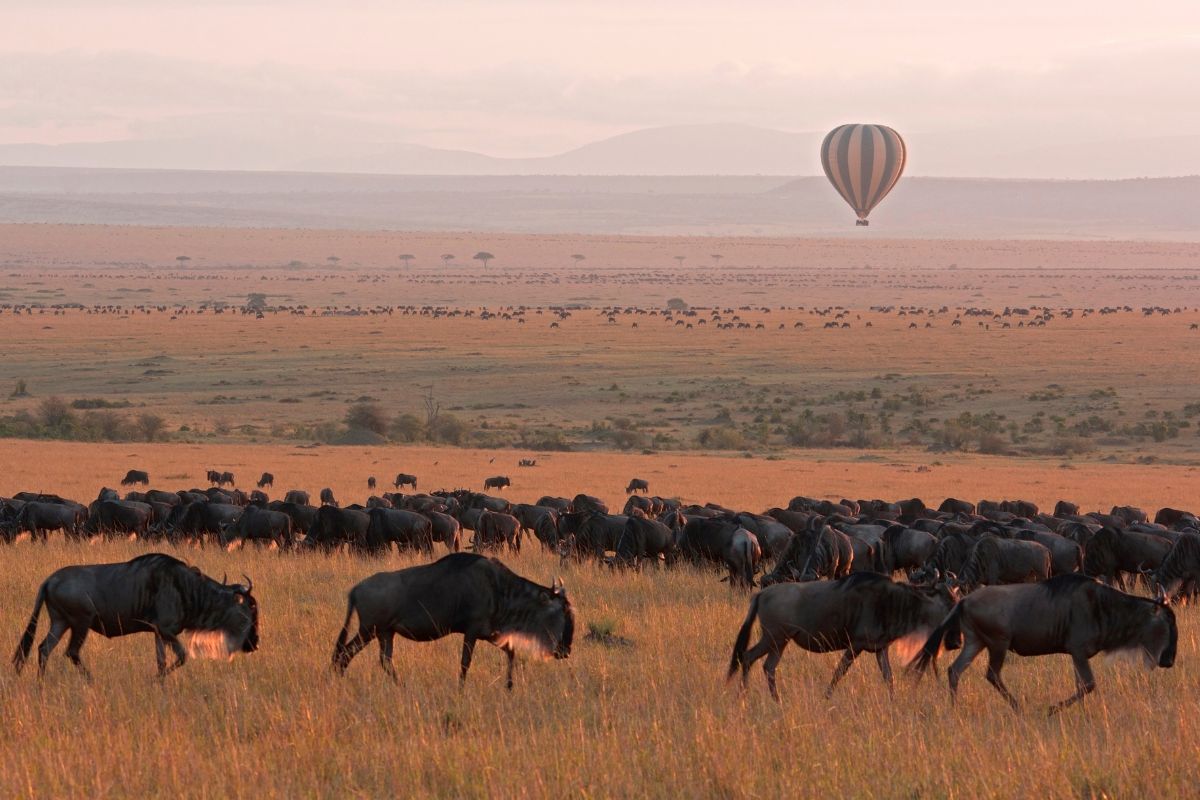
c. The Great Migration (July to October)
If witnessing one of the world’s greatest natural spectacles is on your list, time your trip around the Great Migration in the Maasai Mara. Millions of wildebeests, zebras, and gazelles cross the Mara River in dramatic scenes filled with predator action. Booking early is recommended, as this event attracts travelers from across the globe.
d. Shoulder Seasons for Balance
April, May, and November are considered shoulder seasons, offering a balance between affordability and good game viewing. While there may be short rains, the lighter crowds and discounted rates allow for a more relaxed safari without compromising too much on wildlife encounters.
5. Pack the Essentials for a Kenyan Safari
Being well-prepared is key when planning the best Kenyan safari: the right gear keeps you comfortable, safe, and ready to enjoy every moment. Packing smartly ensures you don’t miss out on experiences due to lack of essentials.
a. Clothing and Footwear
Pack lightweight, breathable clothing in neutral colors like khaki, beige, or olive to blend into the environment. Bright colors may scare wildlife, while dark shades can attract insects. A mix of long-sleeved shirts, trousers, and light jackets helps with both sun protection and cooler evenings. Comfortable walking shoes or boots are also necessary for bush walks and camp activities.
b. Sun Protection Gear
The African sun can be intense, so prepare with a wide-brimmed hat, sunglasses, and high-SPF sunscreen. A light scarf or buff can also be useful for shielding your face from dust during game drives. Staying protected ensures you enjoy your safari without discomfort from sunburn or heat.
c. Wildlife Viewing Tools
A pair of quality binoculars enhances your game drives by allowing you to spot animals from a distance. A good camera with extra batteries and memory cards is also a must for capturing the incredible moments you’ll witness. These tools help you create lasting memories of your safari adventure.
d. Health and Safety Items
Insect repellent is essential for keeping mosquitoes and other bugs at bay. Consult your doctor before travel for recommended vaccinations and antimalarial medication. A small first-aid kit with basic supplies like pain relievers, bandages, and antiseptics can also be helpful in case of minor issues.
e. Power and Connectivity Essentials
Some safari lodges and camps may have limited electricity, so carrying a power bank or solar charger ensures your devices remain functional. If you’re bringing photography gear or laptops, a universal travel adapter is also recommended. Staying powered up means you won’t miss a chance to document your trip.
f. Travel Documents and Insurance
Always pack your passport, visa (if required), and travel insurance documents in a secure pouch. Having copies stored digitally or in a separate bag adds extra security. Travel insurance is especially important on safari, as it covers medical emergencies, trip interruptions, and lost belongings.
6. Understand Kenya’s Health and Safety Precautions
Your health and safety are a top priority when planning the best Kenyan safari. Before you go, make sure you:
-
Get vaccinations recommended by health authorities (e.g., yellow fever, typhoid).
-
Have travel insurance that covers medical emergencies and evacuation.
-
Stay hydrated, especially during the hot months, and protect yourself from the sun.
-
Follow your guide’s instructions during wildlife encounters for your safety.
7. Immerse Yourself in Local Culture
Cultural encounters are a vital part of planning the best Kenyan safari: they give you a deeper connection to the land and its people. Meeting local communities enriches your journey and makes your safari more meaningful.
a. Visit Maasai Villages
The Maasai are one of Kenya’s most iconic tribes, known for their vibrant attire, warrior traditions, and pastoral lifestyle. Many safari tours include visits to Maasai villages where you can witness traditional dances, learn about cattle herding, and support local artisans through handcrafted jewelry and beadwork purchases.

b. Experience Samburu Traditions
In northern Kenya, the Samburu people offer a unique cultural perspective with traditions distinct from the Maasai. You can observe age-old ceremonies, learn about their semi-nomadic lifestyle, and hear stories passed down through generations. These visits highlight the resilience and beauty of Kenya’s indigenous heritage.
c. Discover Turkana Heritage
For travelers seeking off-the-beaten-path experiences, engaging with the Turkana community in northwest Kenya reveals a way of life adapted to harsh desert environments. Their vibrant festivals, intricate hairstyles, and storytelling traditions provide a rare cultural adventure beyond typical safari routes.
8. Book Early for the Best Safari Experience
Planning ahead is essential when arranging the best safari adventure in Kenya: early booking ensures you secure top accommodations and trusted tour operators. This also helps you avoid last-minute disappointments, especially during peak wildlife seasons.
a. Secure Popular Lodges and Camps
Kenya’s most sought-after safari lodges and tented camps often sell out months in advance, particularly in the Maasai Mara during the Great Migration. Booking early guarantees you access to prime locations that offer the best wildlife viewing opportunities.
b. Lock in Affordable Rates
By reserving your safari package well ahead of time, you can take advantage of better pricing. Many operators and lodges offer early-bird discounts, which can significantly reduce costs compared to last-minute bookings during high season.
c. Plan Flights and Transfers Smoothly
Flight availability to safari hubs like Nairobi or regional airstrips can be limited during peak periods. Early booking not only ensures better seat options but also allows for smoother transfers between parks and reserves, saving time and stress.
9. Stay Open-Minded and Flexible
A key part of planning the best Kenyan safari is embracing unpredictability: wildlife sightings and weather conditions are never guaranteed. Flexibility allows you to enjoy the adventure without being tied to rigid expectations.
a. Accept Wildlife Surprises
While you may hope to see the “Big Five” on a single game drive, nature doesn’t follow schedules. Some days you may spot elephants up close, while others bring rare glimpses of leopards or cheetahs. Each experience is unique and worth savoring.
b. Trust Your Safari Guide
Guides have extensive knowledge of animal behavior and park landscapes. Trusting their judgment often leads to the most rewarding sightings and experiences. Their expertise ensures safety while maximizing your chances of unforgettable encounters.
c. Embrace Itinerary Changes
Weather, road conditions, or animal movements may sometimes require adjustments to your schedule. Remaining flexible allows you to discover unexpected highlights, such as an unscheduled cultural stop or a hidden wildlife hotspot.
10. Plan for Post-Safari Relaxation
After the excitement of game drives, it’s rewarding to include downtime in your itinerary: blending your safari with a relaxing holiday ensures a well-rounded Kenyan adventure. Coastal retreats or city escapes provide the perfect balance.
a. Relax on Kenya’s Indian Ocean Coast
Destinations like Diani Beach, Watamu, and Malindi offer pristine white sands, turquoise waters, and luxury resorts. Here, you can enjoy snorkeling, diving, kite surfing, or simply unwind in a tranquil seaside setting after your safari.

b. Explore Nairobi’s Urban Charm
If you prefer to end your trip in the capital, Nairobi provides a mix of culture, shopping, and fine dining. You can visit the Karen Blixen Museum, explore local markets, or enjoy modern restaurants that showcase both Kenyan and international cuisine.
c. Opt for Laid-Back Getaways
Beyond the coast and city, smaller retreats such as Lake Naivasha lodges or the quiet foothills of Mount Kenya offer peaceful environments. These settings allow you to reflect on your safari experiences while still being close to nature.
Frequently Asked Questions on Planning the Best Kenyan Safari
Before booking your trip, it’s natural to have questions about timing, costs, safety, and logistics. To make planning the best Kenyan safari easier, here are answers to the most common questions travelers ask, helping you prepare for a smooth and unforgettable experience:
1. When is the best time to go on a safari in Kenya?
The best time to travel depends on what you want to experience. For wildlife viewing, especially the Great Migration in the Maasai Mara, the dry season from June to October is ideal. However, if you prefer fewer crowds and lush scenery, the rainy months from November to May also provide rewarding experiences. Timing is one of the most important steps in planning the best Kenyan safari.
2. How much does a Kenyan safari typically cost?
The cost can vary greatly depending on the type of safari you choose. Budget camping safaris are more affordable, while luxury lodge experiences with private game drives are higher in price. When planning the best Kenyan safari, consider expenses such as park fees, accommodation, meals, transport, and extras like hot-air balloon rides. Setting a clear budget helps you select a package that suits your financial goals.
3. Do I need a tour operator or can I plan my safari independently?
You can plan independently, but working with an experienced tour operator makes the process smoother and more reliable. A reputable company will handle logistics such as park permits, transfers, and accommodation, leaving you to enjoy the adventure. For many travelers, using an operator is a key step in planning the best Kenyan safari because it saves time and reduces stress.
4. What should I pack for my safari?
Essential items include lightweight neutral-colored clothing, sturdy shoes, sun protection, binoculars, and insect repellent. Don’t forget travel documents, visas, and travel insurance. Packing wisely ensures comfort and safety, both of which are vital in planning the best Kenyan safari.
5. Is it safe to go on a safari in Kenya?
Yes, Kenya is generally safe for safari travelers, especially when guided by reputable tour companies. National parks and reserves are well-patrolled, and professional guides prioritize guest safety. As part of planning the best Kenyan safari, it’s important to follow local advice, take health precautions, and stay with your guide during game drives or walks.
6. Can I combine a safari with other experiences in Kenya?
Absolutely. Many travelers choose to extend their trip by relaxing on the beaches of Diani, Malindi, or Lamu after their safari. Others explore Nairobi’s cultural attractions or visit the Great Rift Valley lakes. Combining different experiences is one of the most rewarding ways of planning the best Kenyan safari, as it balances adventure with relaxation.
Ready to Plan Your Best Kenyan Safari?
Planning the best Kenyan safari starts with choosing a partner who understands your travel dreams and delivers them with excellence. At AK African Tours and Safaris, we go beyond standard packages to craft tailored experiences that bring you closer to Kenya’s wildlife, landscapes, and culture. From thrilling game drives in the Maasai Mara to tranquil beach escapes on the Indian Ocean, we make every detail seamless so you can focus on creating memories that last a lifetime. Don’t leave your adventure to chance—book with us today and take the first step toward planning the best Kenyan safari you’ve always imagined.